- AI is transforming reimbursement workflows. Payers are increasingly leveraging AI and automation to improve claims processing efficiency.
- Revenue cycle visibility is becoming essential. Providers need better insight into reimbursement risks before they affect cash flow.
- Prochant PulseIQ™ supports proactive revenue cycle management. IntakeIQ, BillingIQ and CollectionIQ help teams identify and address issues earlier.
- Clean claims matter more than ever. As reimbursement workflows become increasingly automated, first-pass accuracy is critical.
- Technology and expertise work together. Prochant combines AI-driven tools with experienced revenue cycle experts to help providers stay ahead.
Artificial intelligence (AI) is transforming home-based care operations, including how claims are reviewed, processed and managed. Payers are increasingly leveraging AI and automation to improve efficiency and navigate growing administrative complexity. At the same time, providers face rising documentation requirements, evolving coverage policies and mounting pressure to maintain strong revenue cycle performance.
This shift isn't about payers and providers working against one another. It's about both sides adapting to an environment that is becoming more data-driven and increasingly reliant on technology. As reimbursement workflows evolve, providers need solutions that help them operate with greater precision and confidence.
The New Competitive Advantage: Revenue Cycle Intelligence
For years, providers have relied heavily on manual processes to manage intake, billing and collections. While those approaches may have been sufficient in the past, today's revenue cycle landscape demands something more.
As payers continue to invest in AI and automation, claims processing is becoming increasingly sophisticated. Automated workflows can evaluate claims for completeness, apply payer-specific requirements and identify potential issues at scale. As a result, providers that rely solely on reactive processes risk spending valuable time resolving problems that could have been prevented earlier.
That's where Prochant PulseIQ™ comes in.
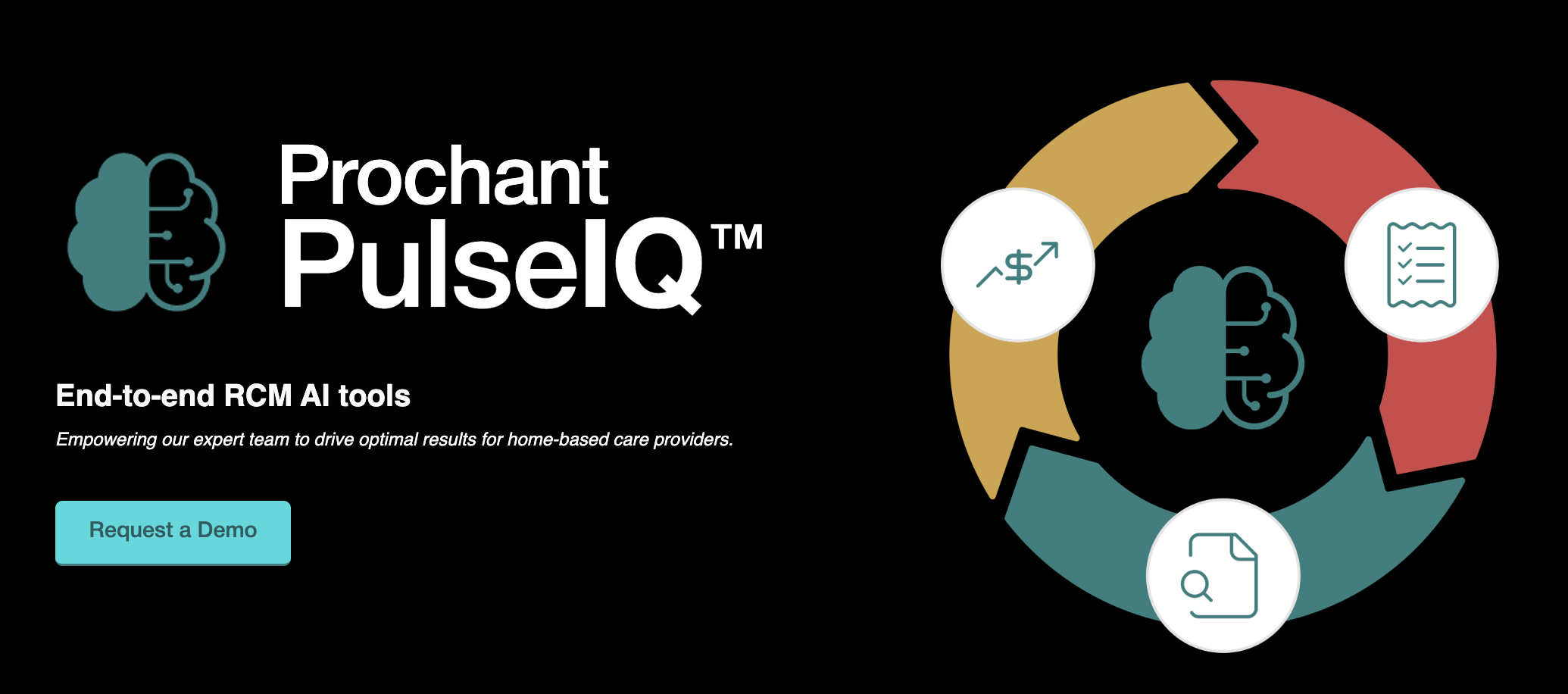
As reimbursement becomes increasingly automated, success depends on having the right combination of technology and expertise. Prochant PulseIQ™, our suite of AI-driven RCM tools, empowers our teams with actionable insights across the revenue cycle, helping them identify potential issues earlier and focus on the work that drives the greatest impact for clients.
Prochant PulseIQ™ includes:
- IntakeIQ
- BillingIQ
- CollectionIQ
Through tools, including IntakeIQ, BillingIQ and CollectionIQ, Prochant PulseIQ™ enables our experts to take a more proactive approach to revenue cycle management. Instead of reacting to issues after they occur, our teams can address potential challenges earlier, helping providers improve reimbursement outcomes while staying focused on delivering exceptional patient care.
From Reactive Workflows to Proactive Revenue Cycle Management
At the front end, IntakeIQ helps providers identify missing documentation requirements and uncover potential issues before services begin. Addressing those concerns early can reduce delays later in the reimbursement process and create a stronger foundation for financial success.
As claims move toward submission, BillingIQ helps providers improve claim quality before information reaches the payer. By identifying documentation gaps and payer-specific requirements ahead of time, BillingIQ helps reduce avoidable denials and supports cleaner claims from the start. In an environment where claims review is becoming increasingly automated, accuracy on the first submission has never been more important.
The same philosophy extends to collections. CollectionIQ helps revenue cycle teams focus their efforts where they are most likely to drive results. By helping staff prioritize denials and outstanding accounts based on likely financial impact, CollectionIQ enables a more strategic approach to collections and revenue recovery.
As reimbursement workflows continue to evolve, providers need partners that can help them stay ahead. Learn more about how Prochant PulseIQ™ and Prochant's revenue cycle experts are helping home-based care organizations navigate today's increasingly automated reimbursement landscape.
Stay Ahead in an Increasingly Automated Reimbursement Landscape.
Learn how Prochant PulseIQ™ and Prochant’s revenue cycle experts help home-based care organizations improve visibility, strengthen reimbursement outcomes and operate with greater confidence.
Frequently Asked Questions
What is Prochant PulseIQ™?
Prochant PulseIQ™ is Prochant’s suite of AI-driven revenue cycle management tools designed to help home-based care providers improve intake, billing, collections and reimbursement visibility across the revenue cycle.
How does AI impact reimbursement workflows in home-based care?
AI is increasingly being used by payers to automate claims review, evaluate documentation requirements, apply payer-specific rules and identify potential reimbursement issues earlier in the process.
What does IntakeIQ help providers improve?
IntakeIQ helps providers identify missing documentation requirements and uncover potential reimbursement issues before services begin, helping create a stronger front-end foundation for revenue cycle performance.
How does BillingIQ support cleaner claims?
BillingIQ helps providers improve claim quality before submission by identifying documentation gaps and payer-specific requirements ahead of time, helping reduce avoidable denials and support cleaner claims from the start.
How does CollectionIQ improve collections and denial management?
CollectionIQ helps revenue cycle teams prioritize denials and outstanding accounts based on likely financial impact, enabling a more strategic approach to collections and revenue recovery.
How can home-based care providers prepare for an AI-driven reimbursement landscape?
Home-based care providers can prepare by improving documentation accuracy, strengthening intake and billing workflows, increasing visibility into denial trends and adopting technology that helps identify reimbursement risks earlier in the revenue cycle.
Why is revenue cycle intelligence important in modern healthcare reimbursement?
Revenue cycle intelligence helps providers identify reimbursement risks before they affect cash flow. As payer workflows become more automated, providers need greater visibility into documentation gaps, denial trends and operational inefficiencies to maintain strong financial performance.
How does AI help reduce healthcare claim denials?
AI helps reduce healthcare claim denials by identifying missing documentation, payer-specific requirements and potential claim issues before submission. This supports cleaner claims, improved first-pass acceptance rates and fewer avoidable denials.
What should providers look for in an AI-driven RCM partner?
Providers should look for a revenue cycle management partner that combines AI-driven tools with experienced RCM specialists, offers visibility into reimbursement performance and supports proactive workflows across intake, billing, collections and denial management.
How does Prochant help home-based care providers improve reimbursement outcomes?
Prochant combines expert revenue cycle teams with AI-driven tools and analytics technology through Prochant PulseIQ™. This approach helps providers strengthen intake, improve claim quality, prioritize collections strategically and navigate today’s increasingly automated reimbursement environment.